1. Quick call, clear plan
You tell the team what was found and where. It explains how the sweep will go and what access it needs.
Pardeeville, WI · Columbia County
Worried about what is hiding in drawers, bags or a vacant building in Pardeeville? Call (877) 812-4220. Crews check the whole space, collect sharps with tools and clean up afterward.
If anyone is in danger, call 911 first. For a suicide crisis, call or text 988.
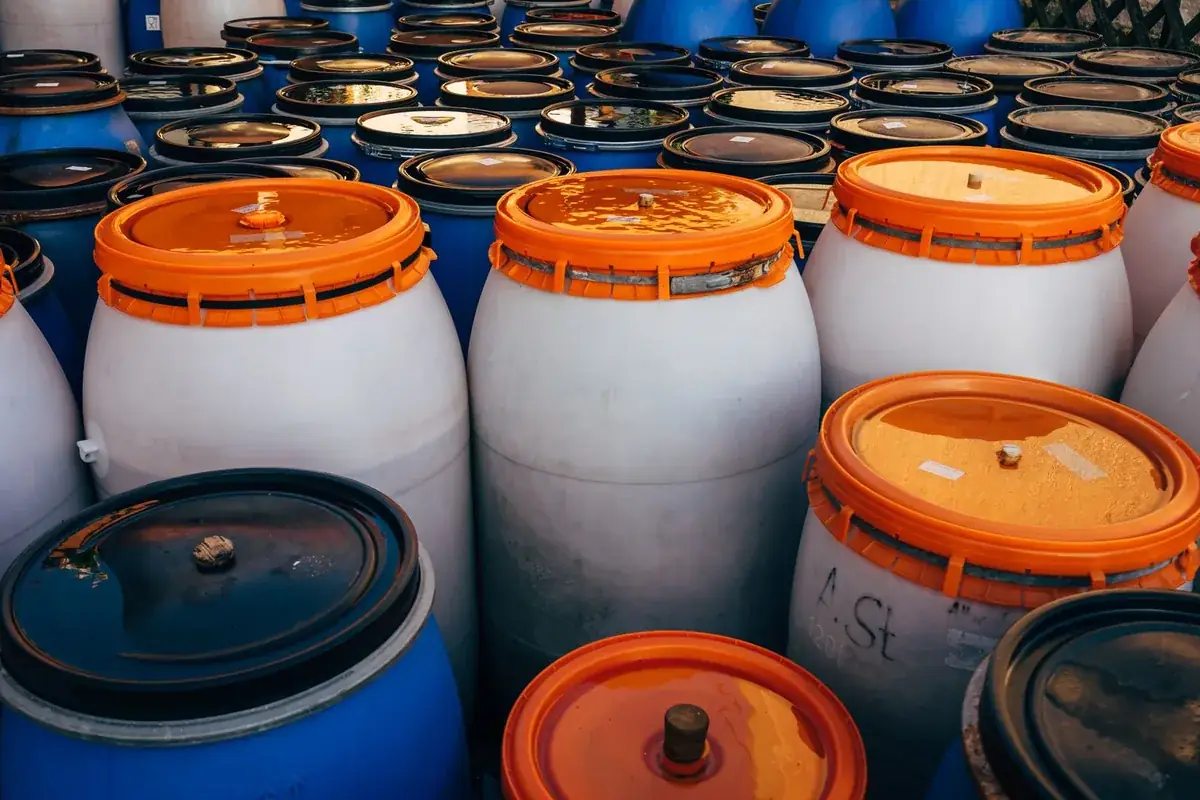
Used needle disposal means placing needles and syringes into rigid containers made to resist punctures, then sending them to a facility that treats medical waste. It keeps workers, children and pets safe.
Treat a found needle in Pardeeville as a safety problem first, and call Pardeeville Biohazard Cleanup Help for help anywhere in Columbia County. The team keeps people clear, collects sharps into sealed containers and disinfects any surface that came into contact with them, so your property is safe again.
A stick, cut or splash should be checked by a doctor without delay. Aspirus Divine Savior Hospital in Portage serves people in and around Pardeeville. In Columbia County, about 10% of housing is vacant. Whether a building is empty or occupied, a sweep covers every room and hidden spot.
What needle & sharps cleanup covers:
You tell the team what was found and where. It explains how the sweep will go and what access it needs.
The team moves in a set pattern so no section is skipped, since a single missed needle is still a hazard.
Everything is hauled off as regulated waste. Nothing is thrown out with household trash.
The crew removes the containers, double-checks the space and answers questions before leaving.
The cost of needle & sharps cleanup in Pardeeville, WI depends on the amount of material, how it is packed and how it is hauled.
Whether surfaces need disinfecting changes the scope. Sharps lying on carpet, bedding or furniture can add cleaning or removal of soft materials.
| Type of job | Typical range |
|---|
Published ranges only (); every needle & sharps cleanup job in Pardeeville is priced after an on-site look. Price drivers include number of items, where they are found, whether a sweep of a large area is needed, waste disposal. Questions? Call (877) 812-4220.
Sometimes. Some homeowners and renters policies cover cleanup after a covered event, and many do not cover needles on their own. Call your insurance company before work starts, take photos from a safe spot, and keep every receipt. Check your policy rather than assuming.
Do not go in to look. Report it to the owner, the local health department or a cleanup team. A team can sweep the whole building in protective gear, remove the sharps and give the owner a record of the work.
No. Crews focus on safety and cleanup, not on why the needles are there. The team asks only what it needs to plan the work, and you decide what else to share.
Lease terms and local law decide. A landlord, an attorney or a tenant rights group can say who is responsible. In many cases the property owner books the sweep first so the unit can be used again, and the cost is sorted out afterward.
Loose needles should not go in household trash, because they can stab sanitation workers. Rules for small amounts of household sharps vary by city and county. The local health department can say what is allowed, and a cleanup team can take larger amounts.
No. Do not search for them yourself. Tell the team what you have seen and where, and the crew will check the rest of the space in protective gear. Searching by hand is how many sticks happen.
Describe what you saw and where, and the team will explain the next step.
Call (877) 812-4220